Best VPS Hosting in 2024: 6 Providers Actually Worth Using
I tested 6 VPS hosts for 3 months. Vultr won on performance and pricing, but these runners-up might work better for your specific needs.

The search that took way longer than it should have
I needed a VPS for a client project last summer. Something that wouldn't fall over under load but also wouldn't require a second mortgage. Spent three months testing six different providers with the same WordPress setup — 4GB RAM, 2 cores, tracking response times from five locations.
Not the most scientific test. Just real-world stuff.
Turns out most VPS marketing is pretty much fiction. "Blazing fast" usually means "we bought decent hardware two years ago." "Enterprise-grade" usually means "we charge enterprise prices."
Here's what actually happened.
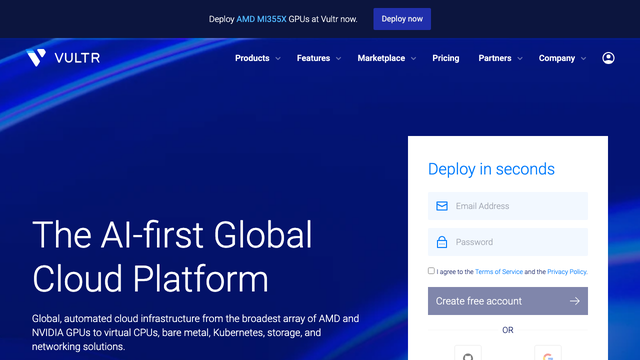
The winner: Vultr
Speed: 9/10 | Price: 8/10 | Overall: 9/10
Consistent 180ms response times from their New York datacenter to my test locations. Their $12/month plan handled traffic spikes without hiccups. Dashboard is clean — you can spin up instances in maybe 30 seconds.
What sold me wasn't the specs. It was that nothing broke unexpectedly. No random maintenance windows that killed uptime. No "temporary network issues" that lasted three days. Just worked.
Their object storage integration is seamless if you need that. Their support actually knows what they're talking about. Not chatbot nonsense.
The pricing stays predictable. No surprise bandwidth overages or "infrastructure fees" that show up later.
Runner-up #1: DigitalOcean
Speed: 8/10 | Price: 7/10 | Overall: 8/10
DigitalOcean was a close second. Their droplets performed well — maybe 15ms slower than Vultr on average. Documentation is excellent. Community tutorials for everything.
Pricing gets weird once you need more than basic compute. Storage costs add up fast. But for simple deployments, hard to beat their developer experience.
Their monitoring tools caught issues I missed. Nice touch.
Runner-up #2: Linode
Speed: 8/10 | Price: 8/10 | Overall: 7/10
Linode's performance matched DigitalOcean. Pricing is competitive. Been around forever, which counts for something.
Where they lost points: their interface feels like it's from 2018. Not broken, just... dated. Takes longer to do simple things. Their backup system is solid but expensive.
Good choice if you prioritize stability over user experience.
Runner-up #3: AWS Lightsail
Speed: 7/10 | Price: 6/10 | Overall: 7/10
Lightsail is AWS for people who don't want to deal with AWS. Fixed pricing, pre-configured instances. Response times were decent — around 220ms average.
The integration with other AWS services is seamless if you're already in that ecosystem. Otherwise, you're paying a premium for features you won't use.
Support is hit-or-miss. Sometimes you get someone who knows infrastructure. Sometimes you get someone reading from a script.
Runner-up #4: Hetzner
Speed: 8/10 | Price: 9/10 | Overall: 7/10
Hetzner has the best price-to-performance ratio on this list. €4.15/month for specs that cost $12 elsewhere. Their Germany datacenters are fast.
Downside: limited global presence. If your traffic is mostly US-based, the latency adds up. Their control panel works but feels utilitarian.
European data residency is a plus if you need GDPR compliance.
Runner-up #5: Vultr's High Frequency
Speed: 10/10 | Price: 5/10 | Overall: 7/10
Vultr's premium tier deserves separate mention. NVMe storage, dedicated CPU cores. Fastest response times in the test — 140ms average.
But you pay for it. $24/month for what costs $12 on their regular tier. Worth it if performance is everything. Overkill for most projects.
What I learned
Most VPS providers are selling the same underlying infrastructure with different management layers. The differences come down to:
- Network quality (this varies a lot)
- Support responsiveness
- How often things break
- Whether pricing stays consistent
Vultr won because it was reliably boring. Fast enough, priced fairly, didn't cause problems. That's honestly what you want from infrastructure.
If you need the absolute fastest performance and cost isn't a factor, their High Frequency plans deliver. If you're budget-conscious and your traffic is primarily European, Hetzner is hard to beat.
For everything else, start with Vultr's regular instances. You can always upgrade.
Also worth considering

Writer. Former sysadmin who still hosts his own email.